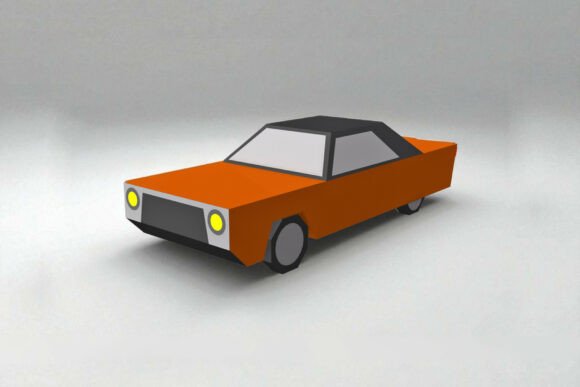
Car Model - 3d Papercraft: 3D SVG Centerpieces
As a brand designer who has spent years curating visual identities for small businesses and digital entrepreneurs, I approach every new graphic design asset with a critical eye. It is not enough for an image to look cute; it must perform. It must carry the weight of a brand’s message, fit seamlessly into a content calendar, and resonate with the target audience. Recently, I integrated the Car Model - 3d Papercraft into a comprehensive marketing campaign for a boutique automotive accessory shop, and the results offered valuable insights into how tangible, paper-style aesthetics can elevate professional branding in a digital-first world.
The First Impression: Nostalgia Meets Modern Craft
When I first opened the files for the Car Model - 3d Papercraft, the immediate mood was one of playful sophistication. In an era dominated by sleek, flat vector graphics, there is a distinct emotional power in textures that mimic physical materials. This SVG design does not just represent a vehicle; it evokes the tactile joy of crafting. For brand owners, this is crucial. It signals attention to detail and a human touch, qualities that build audience trust faster than generic stock photography.
The aesthetic sits comfortably at the intersection of casual lifestyle content and premium handmade vibes. It feels appropriate for brands that want to appear approachable yet polished. Whether you are promoting a seasonal offer, designing packaging inserts, or creating Pinterest graphics, this asset brings a warmth that cold, corporate imagery often lacks. It creates an emotional connection, reminding viewers of childhood hobbies and creative play, which is a powerful hook for content marketing.
Integrating the Asset into Real Marketing Workflows
The true test of any digital product is its versatility. I tested this car model across various touchpoints in our client’s launch strategy. The file formats provided—PDF, DXF, EPS, PNG, and JPG—ensure compatibility with almost every design tool, from Adobe Illustrator to Canva. This flexibility is vital for small business branding, where resources are often limited, and speed is essential.
For social media graphics, the PNG versions with transparent backgrounds were invaluable. We used them in Instagram posts to announce a new line of car care products. The 3D effect of the papercraft style added depth to the feed, breaking the monotony of flat-lay photos. On Pinterest, we created pins featuring the assembled car as a centerpiece for DIY gift guides. The visual hierarchy was clear: the car drew the eye, while the typography provided the call to action. This balance is often difficult to achieve, but the clean lines of this illustration made it straightforward.
In terms of packaging design and product labels, the vector files (EPS and SVG) allowed us to scale the image without losing quality. We printed the car on thank-you cards included in shipment boxes. The result was a cohesive unboxing experience that reinforced the brand’s identity as thoughtful and creative. For web design and email banners, the lightweight JPGs loaded quickly while maintaining crisp edges, ensuring a professional appearance on both desktop and mobile devices.
Strategic Applications for Brand Growth
Using the Car Model - 3d Papercraft strategically can support several key marketing goals. Firstly, it strengthens brand recognition. When used consistently across marketing visuals, such as Facebook ads and blog headers, it becomes a recognizable symbol of the brand. Secondly, it enhances product presentation. By placing physical products next to this stylized car in composite images, we created a narrative context that pure product shots could not achieve.
This asset is particularly effective for editorial design and lead magnets. We designed a downloadable guide on "Creative Car Care Tips," using the papercraft car as a recurring motif throughout the PDF. This consistent visual thread kept readers engaged and made the content feel like a curated magazine rather than a dry manual. For event promotions, such as local car meets or pop-up shops, the design worked beautifully on flyers and posters, offering a unique visual anchor that stood out against competitors’ generic imagery.
Where to Use It—and Where to Pause
While this design bundle is versatile, it is not a one-size-fits-all solution. It shines in hero graphics, campaign headers, and decorative brand elements where personality is prioritized. However, caution is needed in formal corporate branding or dense information layouts. The intricate details of the papercraft folds can become visual noise if the background is too busy or if the image is scaled down too small for mobile screens.
Avoid using this asset in text-heavy ads where it might compete with the main message. It also may not suit overly minimal brands that rely on stark, monochromatic aesthetics unless carefully color-matched. Always test readability in small sizes. If the details blur, switch to a simplified icon version or use the asset only in larger formats like website headers or print posters.
Practical Designer Notes for Implementation
To get the most out of this creative design, start by testing it against your brand color palette. While the default colors are charming, customizing the hues to match your brand guidelines ensures consistency. Check how it looks in black and white; sometimes, the shadows that create the 3D effect can disappear, flattening the image. If this happens, adjust the contrast or add a subtle drop shadow in your design software.
Place the asset inside real campaign mockups before finalizing. Preview it on mobile screens to ensure the details remain visible. Compare it against competitor visuals to ensure it offers a distinct advantage. Pay attention to typography pairing. This papercraft style pairs exceptionally well with sans serif fonts for a modern look, or handwritten fonts for a whimsical, artisanal feel. Avoid overly ornate script fonts that might clash with the geometric precision of the car’s construction.
Review spacing and balance carefully. Give the car enough breathing room so it does not feel cramped. Finally, always confirm the commercial licensing terms. While this asset is ideal for commercial design projects, ensuring you have the right to use it in paid campaigns, client work, or merchandise is a non-negotiable step for professional integrity.
The Physical Dimension: A Unique Engagement Tool
Beyond digital use, the Car Model - 3d Papercraft offers a unique opportunity for physical engagement. With an assembling time of approximately two hours and a finished size of 7 x 9 x 25 cm, it serves as an excellent interactive element for events or influencer kits. Sending this as a physical printable design kit to key influencers can generate organic social media content as they build and share their creations. This transforms a static graphic into an experiential marketing tool, deepening the connection between the brand and its community.
You will need a colored printer, glue, scissors, a craft knife, and a scorer or bone folder to bring this to life. While it is a non-working model, its value lies in its visual impact and the engagement it drives. For centerpieces at launch parties or trade shows, these assembled cars create conversation starters that digital screens cannot replicate.
Final Verdict: A Strong Addition to Your Creative Toolkit
In conclusion, the Car Model - 3d Papercraft is more than just a clipart image; it is a strategic graphic design asset that bridges the gap between digital convenience and tactile charm. For brand designers, marketers, and creative entrepreneurs, it offers a fresh way to communicate professionalism, creativity, and attention to detail. Whether used in Canva templates, digital ads, or physical product labels, it supports a cohesive and memorable brand identity. By understanding its strengths and limitations, you can leverage this modern design to create campaigns that not only attract attention but also foster lasting audience loyalty.