Lavender Fields 3D Papercut: A Designer's Review
As a designer who spends more time staring at stitch simulations than I do sleeping, I am always skeptical when a file promises a "3D" effect without the complexity of foam padding or intricate layering. When I first opened the Lavender Fields 3D Papercut Lavender design, my initial reaction was one of cautious curiosity. The preview images suggested a trendy, layered aesthetic that mimics the popular paper-cutting art style, but the real test for any embroidery professional is how those vectors translate into thread on actual fabric. This isn't just about whether the file opens; it is about whether the finished product holds up to the scrutiny of a paying customer or a discerning gift recipient.
The Visual Mood and Design Personality
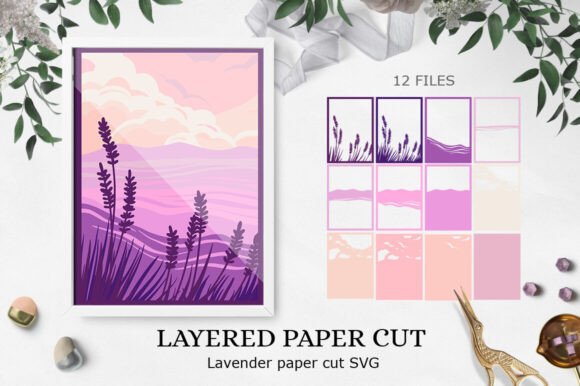
The first thing that strikes you about this machine embroidery design is its serene, botanical mood. Unlike bold, graphic logos that scream for attention, this design whispers. It captures the essence of a lavender field through stylized, overlapping shapes that create an illusion of depth. For a crafter or Etsy seller looking to expand their catalog beyond standard monograms, this offers a sophisticated alternative. The layout feels organic, avoiding the rigid symmetry that often plagues digital assets.
However, we must address the "3D" claim in the title. In the context of embroidery, true 3D usually implies puff foam or distinct physical layering of appliqué. Here, the "3D" effect is achieved through the visual interplay of the cut-file style layers. If you are expecting a raised texture purely from the stitch file, you might need to adjust your expectations. Instead, think of this as a printable mockup come to life—a design that relies on color blocking and strategic placement to create dimension. For Shadow Boxes or framed textile art, this visual depth is perfect. For apparel, it requires a smart approach to thread selection to ensure the layers don't blend into a muddy mess.
Real-World Application: The Boutique Tote Scenario
To truly evaluate the Lavender Fields 3D Papercut Lavender, I imagined a specific client project: a custom order for a local boutique selling eco-friendly market bags. The client wanted something that felt handmade but polished enough for a $40 price point. I envisioned stitching this onto a heavy canvas tote bag design.
In this scenario, the design shines. The clean lines and distinct sections of the lavender stalks would look incredible against a natural beige or soft grey fabric. Because the design mimics a papercut style, it benefits from high-contrast thread colors. Using varying shades of purple—from deep violet to soft lilac—would enhance the perceived depth. If I were producing this for a small shop product line, I would likely skip the green foliage details if the hoop size was tight, focusing instead on the purple blooms to maximize impact. The result would be a handmade product that feels artisanal and unique, distinguishing it from the mass-produced items flooding online marketplaces.
Versatility Across Products
Beyond tote bags, where else does this embroidery file fit? The gentle theme makes it an excellent candidate for baby embroidery projects. Imagine this stitched onto a muslin swaddle blanket or a nursery pillow cover. The soft subject matter aligns perfectly with nursery decor trends. It could also serve as a beautiful personalized gift for weddings or bridal showers, perhaps incorporated into a larger suite of botanical-themed items.
For commercial embroidery professionals, the versatility extends to sweatshirt embroidery. On a heather grey fleece, the design would add a touch of elegance to casual wear. However, one must be careful with fabric texture. Highly textured towels or looped fabrics might eat up the finer details of the "cut" layers, causing the design to lose its crisp definition. Smooth, tightly woven fabrics like twill, canvas, or high-quality cotton blends are the safest bet for preserving the integrity of the shapes.
Technical Considerations and Stitching Challenges
No design is without its quirks, and a professional review must highlight potential pitfalls. When working with a design that relies on layered visuals, stitch density becomes critical. If the fills are too dense, the fabric may pucker, especially on stretchy materials like t-shirts or caps. Before committing to a production run, it is essential to test the design on scrap fabric similar to your final material.
If you plan to use this on curved surfaces, such as a cap or hat, proceed with caution. The horizontal spread of the lavender field might distort on the front panel of a structured cap unless the digitizing accounts for pull compensation. Additionally, check the hoop size requirements. While the description mentions multiple files, ensuring the largest version fits your available hoop is vital. If the design includes tiny, intricate corners meant to mimic paper edges, verify that your machine can handle the resolution without excessive trimming or jump stitches.
Another factor is the background. On dark fabrics, the lighter shades of lavender might require a satin stitch border or an underlay adjustment to prevent the fabric color from showing through and dulling the vibrancy. Always run a test stitch-out in black and white first to check the contrast and clarity of the different layers. This simple step can save hours of unpicking thread later.
Maximizing Value and Professionalism
Ultimately, the value of Lavender Fields 3D Papercut Lavender lies in its ability to elevate a brand's aesthetic. For creative entrepreneurs, offering products with this level of visual interest builds customer trust. It signals that you care about design trends and quality execution. Whether used for holiday embroidery gifts or year-round boutique inventory, the design adds a layer of sophistication.
Before selling any finished product or using this as a design asset for digital downloads, you must review the licensing terms provided with the SVG, PNG, JPG, EPS, and DXF files. The package includes 12 cut files and a colorful illustration, which suggests a robust toolkit for mixed media projects. However, confirm whether the license permits unlimited commercial sales of physical goods or if there are restrictions on digital redistribution.
In conclusion, this design is a strong contender for anyone looking to add a touch of botanical elegance to their repertoire. It is not a "set it and forget it" file; it demands thoughtful thread selection and fabric pairing to truly achieve that 3D illusion. But for the designer willing to put in the prep work, the resulting embroidered patch, garment, or home decor item will stand out in a crowded marketplace. It bridges the gap between digital precision and handmade charm, making it a worthy addition to your library of custom apparel and decor solutions.