Owl Papercut 3D Shadow Box SVG Review
As a designer who spends half my life staring at digitized files and the other half pulling bobbins out of tangled messes, I have learned to be skeptical of anything labeled "3D" in the embroidery world. True three-dimensional effects usually require complex layering, specialized foam, or intricate applique work that can intimidate even seasoned stitchers. However, when I first loaded Owl Papercut 3D Shadow Box SVG 1 into my workspace, my initial reaction was not skepticism, but curiosity. This is not a traditional machine embroidery design in the conventional sense; it is a layered vector asset designed to mimic the trendy papercut aesthetic. For those of us in the craft business, understanding how to translate this digital concept into a tangible, stitched reality is where the real value lies.
The Visual Appeal and Design Mood
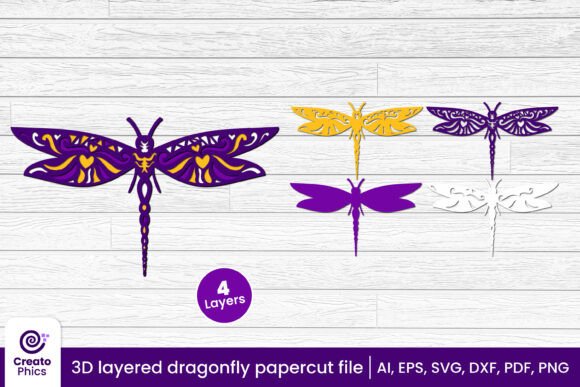
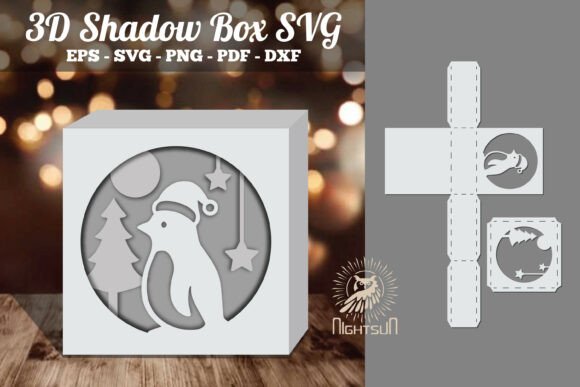
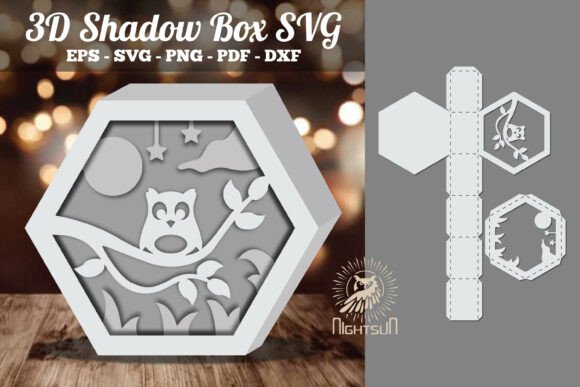
The first thing that strikes you about this design is its whimsical yet structured personality. The owl motif is timeless, appealing to a broad demographic ranging from nursery decor enthusiasts to fans of woodland-themed boutique products. The "papercut" style relies heavily on clean lines and distinct separation between layers. In a digital format, this looks crisp and modern. But as an embroidery product reviewer, I look past the screen. I ask myself: how will this translate to fabric?
The layout suggests a need for precision. The shadow box effect is achieved through overlapping shapes that create depth. In embroidery, we simulate this depth through thread texture and color variation rather than actual physical layers of paper. This design invites you to think creatively about thread colors. Instead of a flat, single-color stitch-out, this project demands a palette. You might use varying shades of brown, cream, and slate gray to mimic the shadows and highlights inherent in the papercut style. It creates a sophisticated look that elevates a simple handmade product into something that feels curated and high-end.
Real-World Application: From File to Finished Product
Let’s talk about practical use. I recently considered using a similar layered concept for a custom tote bag design for a local bookstore. The client wanted something literary and cozy. An owl fits perfectly. However, applying Owl Papercut 3D Shadow Box SVG 1 requires a strategic approach. Since this is categorized under Other and described as a 3D SVG, it is primarily a cutting file format (SVG, AI, EPS, DXF). This means you are likely using it to create applique pieces or stencils rather than relying solely on machine stitching to fill the entire shape.
For a sweatshirt embroidery project, I would recommend using the SVG layers to cut felt or stable cotton fabrics. You would then position these layers on the garment and secure them with a satin stitch or a narrow zigzag. This method reduces the stitch density significantly, preventing the heavy, cardboard-like feel that dense fill stitches can create on soft garments. It also makes the design more durable for items that will be washed frequently, such as baby embroidery projects or kitchen towels.
If you are an Etsy seller looking to expand your digital offerings, this file type is versatile. You can sell the finished embroidered item, or you can use the high-quality PNG included in the package to create printable mockup assets for your shop. Showing customers how the design looks on a pillow cover or a cap before they buy increases conversion rates. The visual clarity of the owl allows for excellent presentation in marketing materials.
Navigating Technical Challenges
While the aesthetic is charming, there are technical hurdles to consider. The intricate corners and small details typical of papercut styles can be tricky when translating to thread. If you attempt to stitch this entirely with fill stitches without proper stabilization, you risk puckering, especially on stretchy fabric or thin materials like jersey knits. Always use a appropriate stabilizer. For caps or curved surfaces, a stiff cut-away stabilizer is non-negotiable to maintain the integrity of the owl’s shape.
Another consideration is hoop size. Ensure your design fits comfortably within your machine’s maximum hoop area, leaving enough margin for the frame to grip the fabric securely. If you are working on a small item like a baby onesie, you may need to resize the design. Be cautious here: shrinking complex vector designs too much can cause the details to merge, resulting in a muddy, indistinct image. Always test the design on scrap fabric first. Check how the running stitch outlines hold up against the fill areas. If the contrast between thread colors is too low, the "shadow" effect will be lost, and the design will look flat.
Commercial Viability and Brand Consistency
For commercial embroidery professionals, consistency is key. Using a design like Owl Papercut 3D Shadow Box SVG 1 can help establish a recognizable brand style. If your shop specializes in woodland or nature-inspired goods, this owl becomes a signature element. It works well on aprons, tea towels, and even embroidered patches that can be ironed onto denim jackets. The versatility of the file formats—AI, EPS, PDF, and DXF—means you are not locked into one production method. You can cut vinyl for heat transfer, cut fabric for applique, or use the PNG for sublimation printing if you offer mixed-media products.
However, always verify the licensing terms. While the product description lists the file types, it does not explicitly state the commercial usage rights for the final stitched product. Before listing finished items on your small shop product page, confirm whether the creator allows for mass production or if there are limits on the number of units you can sell. Protecting your business legally is just as important as the quality of your stitching.
Final Verdict for Designers and Makers
In conclusion, Owl Papercut 3D Shadow Box SVG 1 is a compelling asset for designers who understand the interplay between digital cutting and traditional embroidery. It is not a plug-and-play solution for beginners who expect a single-click stitch-out. Instead, it is a tool for creators who want to add depth and narrative to their work. Whether you are creating a personalized gift for a friend or stocking inventory for a holiday craft fair, this design offers a unique visual language.
My advice is to embrace the layering. Do not be afraid to experiment with fabric textures. A wool felt background with a smooth cotton foreground can enhance the 3D illusion without adding excessive bulk. Pay attention to thread color contrast; this is what sells the shadow effect. And remember, the best embroidery project is one that has been tested, refined, and stitched with care. This owl design has the potential to be a standout piece in your portfolio, provided you respect the technical requirements of the medium. Happy stitching.