Reviewing the 3D Layered Christmas Scene Shadow Box
As an embroidery designer who has spent countless hours digitizing and testing files for real-world application, I approach every new machine embroidery design with a critical eye. It is not enough for a file to look pretty on a screen; it must hold up under the needle, survive the wash, and appeal to the end customer. Recently, I evaluated the 3D Layered Christmas Scene Shadow Box, a festive 3D SVG style concept adapted for stitching, to determine its viability for commercial and personal projects. My goal was to see if this intricate scene could translate from a digital mockup into a tangible, high-quality handmade product.
First Impressions and Visual Mood
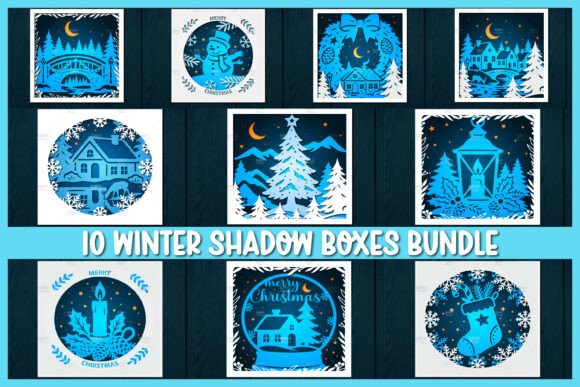
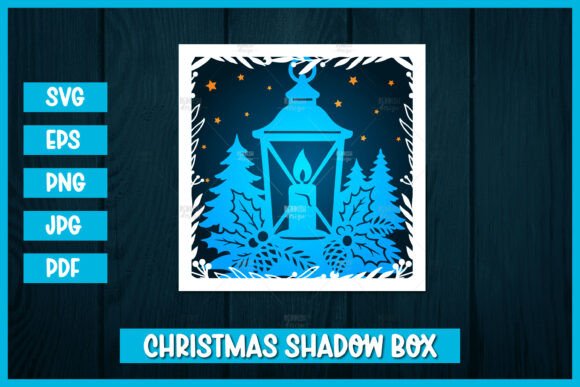
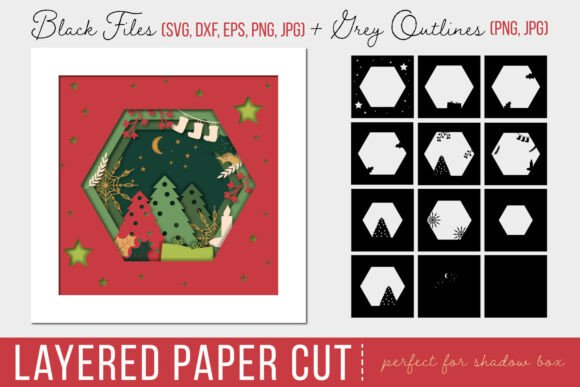
The first thing that strikes you about the 3D Layered Christmas Scene Shadow Box is its depth. Unlike flat, single-layer motifs, this design relies on overlapping elements to create a sense of dimension. The scene captures indoor Christmas trees surrounded by presents, evoking a cozy, nostalgic holiday atmosphere. For a designer, this layout presents both an opportunity and a challenge. The visual personality is warm and inviting, making it an ideal candidate for holiday embroidery that aims to feel traditional yet modern.
However, the complexity of the layers means that stitch placement is crucial. In my initial assessment, I looked for clear separation between the foreground trees and the background gifts. If the stitch density is too high in overlapping areas, the fabric can pucker, ruining the clean lines necessary for a shadow box effect. The design’s success hinges on how well the digitizer has managed these transitions, ensuring that each layer remains distinct without creating excessive bulk.
Real-World Application: The Custom Sweatshirt Test
To truly understand the value of this embroidery file, I imagined a specific client scenario. A boutique owner approached me for a line of limited-edition sweatshirt embroidery pieces for the December rush. She wanted something that stood out from the typical snowflake or reindeer motifs. The 3D Layered Christmas Scene Shadow Box fit this brief perfectly, offering a narrative scene rather than just a symbol.
When considering this for a sweatshirt, the fabric texture plays a significant role. Sweatshirt fleece is thick and forgiving, which helps support the multiple layers of stitching required for this design. I envisioned placing the scene on the left chest or as a larger back piece. The key here is scale. If the design is too small, the details of the presents and tree branches will merge into a blob of thread. If it is too large, the weight of the stitching might distort the garment. For this specific project, I determined that a medium-sized hoop would be the sweet spot, allowing enough room for the layers to breathe while maintaining structural integrity.
Versatility Across Product Lines
Beyond apparel, this design shows promise for various craft business items. For an Etsy seller looking to expand their small shop product range, this motif could work beautifully on tote bags. A canvas tote bag design benefits from the sturdy nature of the fabric, which can handle the fill stitch density often required for layered scenes. The contrast between the colorful threads and the natural canvas creates a striking visual that appeals to buyers looking for unique personalized gifts.
I also considered its use in home decor, such as pillow covers or wall hangings. Here, the "shadow box" aesthetic shines. By using varied thread colors and perhaps incorporating satin stitches for outlines against fill stitches for the background, the design can mimic the look of paper cutouts. This versatility makes it a valuable asset for designers who need flexible design assets that can be marketed across different categories, from custom apparel to nursery decor.
Technical Considerations and Potential Pitfalls
While the aesthetic appeal is strong, there are technical areas where caution is needed. One major concern with any multi-layered design is the hoop size. You must confirm that your machine’s hoop can accommodate the full width and height of the scene without requiring re-hooping, which can lead to alignment issues. Additionally, the stabilizer choice is non-negotiable. For a design with this much detail, a cut-away stabilizer is likely necessary to prevent shifting and puckering, especially if you are working with stretchy fabrics like jersey knits.
Another critical factor is fabric color. This design likely relies on light and shadow to create its 3D effect. On dark fabric, you may need to add an underlay or use lighter thread colors to ensure visibility. Conversely, on white fabric, subtle shading might get lost. I always recommend testing the design on scrap fabric in both light and dark shades before committing to a final finished product. This step saves time and materials, ensuring that the embroidery project meets professional standards.
Small details, such as tiny bows on the presents or fine branches on the trees, can be problematic if the digitizing is not precise. These areas may require a finer needle and slower machine speed to prevent thread breaks. If you are producing these for a commercial embroidery run, consistency is key. Each item must look identical, which means your tension settings and thread quality must be meticulously controlled.
Enhancing Brand Value and Customer Trust
From a business perspective, using a high-quality, complex design like the 3D Layered Christmas Scene Shadow Box can elevate your brand perception. Customers associate intricate, well-executed embroidery with higher value. When they see a piece with clean lines, proper density, and thoughtful color choices, they are more likely to trust your craftsmanship. This trust translates into repeat business and positive reviews, which are vital for any digital embroidery file seller or handmade goods creator.
Moreover, this design offers excellent potential for printable mockup creation. Before even stitching a single thread, you can create realistic digital previews to gauge customer interest. This allows you to test marketing angles and adjust your pricing strategy based on perceived value. It is a smart way to minimize risk while maximizing the reach of your Christmas collection.
Practical Designer Notes for Success
To get the best results from this design, follow these practical steps:
- Test on Scrap Fabric: Always run a test stitch-out on the same type of fabric you plan to use for the final product. This reveals any tension or density issues early.
- Check Thread Contrast: Ensure your thread colors provide enough contrast to distinguish the layers. Poor color choice can flatten the 3D effect.
- Review Stitch Density: Inspect the file for overly dense areas that might cause puckering. Adjust if necessary, or use a heavier stabilizer.
- Confirm Hoop Size: Verify that the design fits within your available hoop dimensions without compromising placement.
- Inspect Small Details: Zoom in on the digital file to check for tiny elements that might not stitch out cleanly. Simplify if needed.
- Use Proper Stabilizer: Choose a stabilizer that matches the fabric weight and stretch. Cut-away is often best for complex designs.
- Verify Licensing: Before selling any embroidered patch, garment, or digital product, confirm the license terms of the file. Ensure you have commercial rights if you intend to sell the finished items.
In conclusion, the 3D Layered Christmas Scene Shadow Box is a compelling choice for designers who want to offer something beyond the ordinary. It requires careful handling and technical precision, but the payoff is a stunning, dimensional piece that captures the spirit of the season. Whether you are creating a baby embroidery item, a festive apron, or a high-end boutique gift, this design has the potential to become a standout favorite in your portfolio. Just remember to respect the technical demands of the file, and it will reward you with a professional, polished result.