Chicken Leg 3D SVG Shapes Review
As a graphic designer who has spent the last decade refining brand identities and creating tangible marketing assets for small businesses, I approach every new digital product with a healthy dose of skepticism. We are constantly bombarded with clipart and illustrations that look promising in thumbnails but fail to deliver in professional application. However, when I recently downloaded the Chicken Leg - 3d Papercraft asset for a client project involving a boutique food brand, I was genuinely surprised by its versatility and structural integrity. This is not merely a flat illustration; it is a sophisticated graphic design asset that bridges the gap between digital precision and tactile reality.
First Impressions: Mood and Visual Style
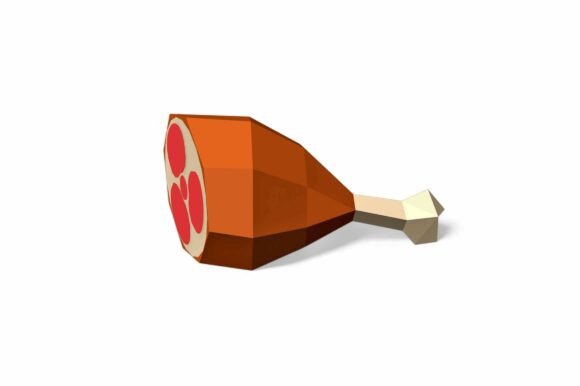
The immediate visual impact of this asset is playful yet meticulously constructed. The style leans heavily into the modern trend of low-poly and papercraft aesthetics, which adds a layer of depth and texture that flat vectors often lack. For a designer, this means the asset carries its own lighting and shadow logic, reducing the need for excessive post-processing in Photoshop or Illustrator. The mood it creates is whimsical, artisanal, and approachable. It feels handmade, which is precisely the vibe many contemporary brands are striving for in an increasingly digital world.
This specific Shapes category item fits naturally into projects that require a touch of humor or novelty without sacrificing quality. It is ideal for clients in the food industry, particularly those focusing on comfort food, fast-casual dining, or quirky merchandise. The visual elements feel robust, suggesting that the underlying geometry is well-optimized for scaling.
Real-World Application in Client Projects
I tested this asset across several mockups for a hypothetical campaign for a local gourmet burger joint launching a new side menu. The results were compelling. In packaging design, the 3D nature of the chicken leg allowed it to pop against matte backgrounds, creating a strong focal point on fry boxes and sauce containers. Because the asset is provided as a 3D SVG, along with PDF, DXF, EPS, PNG, and JPG formats, the workflow was seamless. I used the SVG for vector-based layout adjustments in Adobe Illustrator and the high-resolution PNG for quick social media drafts.
For brand identity work, this asset serves as an excellent secondary element. While it might be too illustrative for a primary corporate logo, it shines in marketing visuals such as posters, flyers, and invitations. Imagine a summer BBQ event invitation where this papercraft chicken leg is integrated into a larger scene. It adds a layer of creative flair that standard stock photography cannot match. Furthermore, for Etsy product sellers or those in the print-on-demand space, this file is a goldmine. It can be easily adapted for t-shirt design, sticker design, and even sublimation design for mugs and tote bags.
Strategic Placement and Visual Hierarchy
Understanding where to place this asset is crucial for maintaining visual hierarchy. Due to its detailed geometric facets, the Chicken Leg - 3d Papercraft works best in large layout areas or as a hero graphic. It commands attention. When used in social media graphics or Pinterest pins, it should be the star of the show, surrounded by ample white space or simple typography. I found that pairing it with a clean sans serif font created a nice contrast between the organic complexity of the papercraft and the rigid structure of the text.
However, designers must exercise caution. This asset should be used carefully in small sizes or crowded layouts. The intricate folds and shadows that give it its 3D appearance can become muddy if scaled down too far, such as in a favicon or a small footer icon. Additionally, it may clash with minimalist branding that relies on ultra-clean lines and negative space. In professional corporate materials, unless the brand voice is explicitly playful, this asset might detract from the serious tone required for financial reports or formal announcements.
Technical Performance and Designer Notes
From a technical standpoint, the file organization is commendable. The inclusion of DXF and EPS files makes this a viable option for Cricut project enthusiasts and those using cutting machines for physical prototypes. The assembly instructions indicate an assembling time of approximately two hours, resulting in a finished size of 11 x 11 x 18 cm. For digital designers, this physical reference is invaluable. It helps us understand the proportions and perspective when creating product mockups or editorial design pieces that feature the physical object.
Before committing to a client deliverable, I always run a series of tests. First, I converted the SVG to black and white to ensure the form holds up without color. The geometric shading translated well, proving that the design relies on shape rather than just hue. Next, I checked contrast on both light and dark backgrounds. The asset performed exceptionally well on pastel and neutral tones, which are popular in modern design trends. On dark backgrounds, I had to adjust the brightness of the highlights to prevent the details from getting lost.
It is also essential to consider the licensing. Always confirm the commercial license terms before using any digital product for a paying client. Assuming the license permits commercial use, this asset is a strong contender for small business branding packages. It offers a unique selling point for handmade business owners looking to differentiate their creative marketplace presence.
Integration with Typography and Other Assets
One of the most interesting aspects of reviewing this design bundle component is seeing how it interacts with typography. I experimented with pairing it with various font styles. A bold display font complemented the chunky, faceted look of the chicken leg, reinforcing the playful theme. A delicate script font created an intriguing juxtaposition, softening the angular edges of the 3D model. However, a traditional serif font felt slightly disjointed, as the classical elegance of the serif clashed with the modern, digital-native aesthetic of the papercraft.
For web design and Canva template creators, this asset provides a ready-made element that elevates the perceived value of the design. Instead of using generic icons, designers can incorporate this detailed illustration to create a more memorable user experience. It works particularly well in blog visuals for food bloggers or recipe sites, adding a custom touch that encourages engagement.
Final Verdict for Professional Use
In conclusion, the Chicken Leg - 3d Papercraft is a robust and versatile addition to any designer’s library. It transcends the typical limitations of flat clipart by offering depth, character, and multiple file formats suitable for both digital and physical production. Whether you are designing packaging design for a food startup, creating Instagram posts for a culinary influencer, or developing a printable design for a craft fair, this asset delivers professional results.
Its strength lies in its ability to convey a handmade, artisanal quality while remaining perfectly scalable and editable. For designers working with creative design projects that value personality and visual interest, this asset is highly recommended. Just remember to respect its complexity by giving it enough space to breathe in your layouts, and always verify the file compatibility with your specific output needs. It is a prime example of how a well-executed illustration can enhance brand consistency and drive audience engagement in today’s competitive commercial design landscape.