Muscle Car Favor: A Designer’s Real-World Review
As an embroidery designer who has spent years digitizing patterns and testing them on everything from stiff denim to delicate baby knits, I approach every new machine embroidery design with a critical eye. We are not just stitching thread onto fabric; we are creating tangible value for customers, whether that is a personalized gift or a staple item in a small shop product line. Today, I am evaluating the Muscle Car Favor - 3d Papercraft. While the title suggests a paper assembly project, my focus here is strictly on how this aesthetic translates into the world of textile art and commercial embroidery.
First Impressions: Bold Lines and Retro Appeal
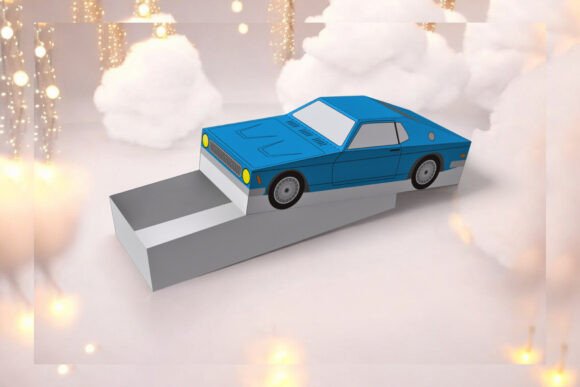
The immediate visual impact of the Muscle Car Favor - 3d Papercraft is its strong, geometric silhouette. In the context of embroidery, this is a welcome trait. Complex, overly detailed illustrations often turn into muddy messes when stitched out, especially at smaller scales. This design, categorized under Shapes, relies on clean lines and distinct blocks of color. This simplicity is crucial for maintaining stitch clarity. The retro muscle car theme evokes nostalgia, making it an excellent candidate for specific niches like father’s day gifts, birthday presents for automotive enthusiasts, or nursery decor for parents who want a non-traditional, cool vibe for a baby boy’s room.
When I visualize this as an embroidery file, I see potential for bold satin stitch borders defining the car’s body, with fill stitch techniques used for the main color blocks. The lack of intricate shading means the design will read well from a distance, which is essential for items like tote bags or sweatshirts where the viewer might be several feet away.
Real-World Application: From Digital File to Finished Product
Let’s consider a real-life scenario. Imagine you run an Etsy store specializing in custom apparel for kids. A customer requests a unique birthday shirt for their son who loves cars. Using the Muscle Car Favor - 3d Papercraft concept as inspiration for your digitizing or selecting a compatible embroidered patch, you can create a high-value item. The design’s blocky nature makes it ideal for an applique design approach. By using fabric pieces for the car body and stitching over them, you reduce stitch density, keeping the garment soft and comfortable against a child’s skin. This is a significant selling point for baby embroidery projects, where bulky stitching can be irritating.
Alternatively, consider a tote bag design for a local auto shop or a car meet. Canvas bags have a coarse fabric texture that can swallow fine details. However, the bold shapes of this muscle car design will stand out sharply against the weave of the canvas. Using high-contrast thread colors—perhaps a classic cherry red or midnight blue against a natural canvas—creates a striking visual that enhances brand consistency for commercial clients. This transforms a simple bag into a piece of promotional merchandise that people actually want to use.
Navigating Technical Challenges and Fabric Choices
While the design is visually strong, practical application requires careful planning. One must consider the hoop size limitations. If you are stitching this on a standard 4x4 hoop, you may need to scale the design down. At smaller sizes, the tiny details, such as wheels or windows, might become too dense. I always advise testing the design on scrap fabric first. Check if the running stitch outlines hold up or if they pucker the fabric. For stretchy materials like jersey t-shirts, a cut-away stabilizer is non-negotiable to prevent distortion during and after washing.
Dark fabrics present another challenge. If you are stitching a light-colored car on a black sweatshirt embroidery project, you must ensure adequate underlay stitching. Without proper underlay, the dark fabric will show through the top threads, ruining the crispness of the design. I recommend creating a test stitch-out on black fabric to verify coverage. Additionally, avoid placing this design on highly textured fabrics like thick chenille or looped towels unless you are using a topping material, as the stitches may sink into the pile and lose definition.
Commercial Viability and Brand Consistency
For Etsy sellers and craft business owners, the versatility of this design is its greatest asset. It fits seamlessly into multiple product categories. Think beyond shirts. Consider embroidered patch production. Patches are trending, and a muscle car motif appeals to a wide demographic. You can stitch multiple patches in one hoop, cut them out, and sell them as iron-on accessories. This maximizes efficiency and profit margins. Furthermore, the design works well for holiday embroidery themes, such as Father’s Day or Christmas ornaments, expanding your seasonal product range.
However, professionalism is key. Before listing any finished product, inspect the back of the stitching. Loose threads or poor tension can undermine customer trust. The Muscle Car Favor - 3d Papercraft aesthetic demands clean edges. If you are offering this as a personalized gift, consider adding custom text below the car. Ensure the font choice complements the retro vibe of the car. A modern, sleek font might clash, whereas a bold, vintage typeface would enhance the overall design assets cohesion.
Practical Notes for the Embroidery Designer
Before committing to a large production run or a client order, take these steps:
- Test on Scrap Fabric: Always stitch a sample on the exact fabric type you plan to use. This reveals issues with tension, density, and stabilizer compatibility.
- Check Thread Color Contrast: Use a color wheel to select threads that pop. Avoid low-contrast combinations unless a subtle look is specifically requested.
- Review Stitch Density: High density can cause fabric puckering. If the design feels stiff, consider reducing the fill density in your digitizing software or switching to applique.
- Confirm Hoop Size: Ensure the design fits comfortably within your machine’s hoop, leaving enough margin for clamping.
- Inspect Small Details: Zoom in on the digital preview. Are the wheels circular? Are the lines smooth? Tiny errors in the digital embroidery file become obvious when stitched.
- Verify Licensing: If you are using a purchased file, confirm whether it allows for commercial use. Selling finished items made from licensed designs requires clear permission.
Final Verdict: A Solid Choice for Targeted Markets
The Muscle Car Favor - 3d Papercraft offers a robust foundation for various embroidery projects. Its strength lies in its simplicity and strong thematic appeal. While it may not suit every aesthetic, it is perfectly tailored for markets interested in automotive culture, retro styles, and bold graphic looks. By paying attention to technical details like stabilizer choice, thread contrast, and fabric texture, you can elevate this design from a simple pattern to a high-quality handmade product. Whether you are creating custom apparel for a boutique or commercial embroidery for a corporate client, this design holds its own. Just remember, the difference between a good product and a great one often lies in the testing phase. Take the time to refine your process, and the results will speak for themselves.