Reviewing the 3D Apple Box SVG for Embroidery
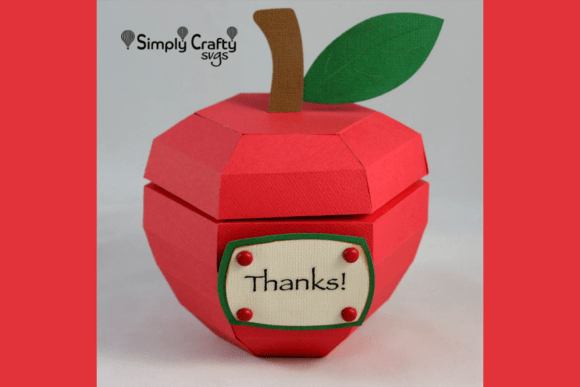
As a designer who spends more time staring at stitch simulations than I do sleeping, I have learned to be skeptical of trendy digital assets. We see thousands of files pass through our folders every year, but only a handful make it onto actual fabric. When I first opened the 3D Apple Box SVG, my initial reaction was not about the embroidery potential, but rather the structural charm of the source art. It is described as a sturdy paper apple, perfect for back-to-school gifts and teacher appreciation. But does this 3D aesthetic translate well into thread? That is the question every serious embroidery project manager needs to answer before committing to production.
First Impressions: Mood and Visual Personality
The immediate mood of this design is nostalgic and wholesome. It captures that specific feeling of autumn classrooms and crisp mornings. For an embroidery designer, the "3D" aspect presents both an opportunity and a challenge. In vector graphics, 3D is achieved through shading and perspective lines. In embroidery, we achieve depth through stitch density, thread sheen, and layering. The layout of the 3D Apple Box SVG suggests a boxy, structured form with a stem and leaf. This geometric solidity is appealing because it implies stability. Unlike fluid, organic shapes that can look messy if stitches pull, a box shape has defined edges that can look incredibly professional when executed with precise satin stitch borders.
I imagine this design fitting naturally into a niche of high-quality handmade product lines. It is not just a generic apple; it is a container, a gift vessel. This narrative element adds value. When a customer sees this on a tote bag design or a sweatshirt embroidery piece, they perceive thoughtfulness. It feels like a personalized gift rather than mass-produced merchandise. The visual personality is clean and modern yet rooted in traditional schoolhouse aesthetics, making it versatile for both children’s items and adult teacher apparel.
Real-World Application: From Screen to Stitch
Let us move beyond theory and discuss how this digital embroidery file performs in real-life scenarios. I recently considered using a similar concept for a boutique client launching a fall collection. The goal was to create a line of custom apparel for educators. The 3D Apple Box SVG would need to be adapted from its paper-craft origins into a flat or semi-flat embroidered motif.
For a sweatshirt embroidery project, the boxy nature of the design works in your favor. Sweatshirts have a heavier fabric texture that can support denser stitching without puckering. I would recommend using a combination of fill stitch for the body of the apple to create volume and satin stitch for the outlines to define the 3D edges. The contrast between the matte fill and the shiny satin border enhances the three-dimensional illusion. On a tote bag, which is often made of canvas or cotton twill, the design would stand out sharply. Here, you might opt for an applique design approach if the original SVG allows for layer separation, using felt or contrasting fabric to build the 3D effect physically, then stitching over it.
However, caution is required when applying this to baby embroidery items. Babies require softness. A dense, heavy 3D design can feel scratchy against sensitive skin. If you are placing this on a onesie or baby blanket, you must reduce the stitch density significantly or use softer threads like rayon or polyester blends designed for comfort. Additionally, for holiday embroidery gifts, such as Christmas ornaments or pillow covers, the durability of the stitch path becomes critical. Items that are handled frequently need robust underlay stitching to prevent the design from shifting or unraveling.
Navigating Technical Challenges
Not every surface is friendly to complex designs. When working with the 3D Apple Box SVG, you must consider the hoop size relative to the detail level. If you are shrinking this design for a small embroidered patch or a cap, the fine details of the "box" structure may merge. Tiny lettering or intricate corner details can become a blob of thread if the resolution is too low for the hoop. Always test the design on scrap fabric first. This is non-negotiable. What looks crisp on your screen may look muddy on textured fleece or stretchy jersey.
Dark fabrics present another hurdle. If you are stitching a light-colored apple box on a navy or black garment, you need to ensure your underlay is sufficient to prevent the background fabric from showing through. Conversely, on light fabrics, dark thread shadows can sometimes create unintended depth. I always advise checking your design in black and white mockups to verify contrast and clarity. Furthermore, curved surfaces like caps distort flat designs. The 3D perspective of the apple box might look skewed if not centered perfectly on the crown of a hat. In such cases, simplifying the design or adjusting the angle of the digitization is necessary.
Enhancing Brand Value and Customer Trust
For Etsy sellers and craft business owners, the quality of your embroidery directly impacts brand consistency. A poorly stitched 3D design can look amateurish, undermining customer trust. However, a well-executed 3D Apple Box SVG can elevate your small shop product line. It signals attention to detail. When buyers see clean edges, consistent tension, and thoughtful color choices, they perceive higher value. This leads to better reviews and repeat business.
Consider the commercial potential. This design is ideal for commercial embroidery projects targeting the education sector. Schools, daycares, and tutoring centers are always looking for unique branding elements. By offering this as part of a design assets package or as a finished finished product, you tap into a recurring market. Use printable mockup tools to showcase how the design looks on various items before you even stitch a single thread. This helps manage customer expectations and reduces return rates.
Practical Notes for the Designer
Before you load this file into your machine, take a moment to review the technical specifications. Since the product description mentions it is an SVG, ensure you have the correct conversion or companion embroidery file format (such as PES, DST, or JEF) compatible with your machine. Check the license terms explicitly. Can you sell finished items? Can you redistribute the digital file? Most designers allow sale of finished physical goods but prohibit resale of the digital file itself. Confirm this to protect your business.
- Test on Scrap: Always run a test stitch-out on the same fabric type you intend to use for the final product.
- Stabilizer Choice: Use a cut-away stabilizer for stretchy fabrics and tear-away for woven fabrics to maintain the 3D structure without distortion.
- Thread Colors: Choose thread colors that complement the 3D shading. Using two shades of red or green can enhance the depth effect.
- Inspect Details: Zoom in on the digitized version to check for excessive jump stitches or overlapping paths that could cause thread breaks.
- Commercial Use: Verify the licensing agreement for commercial embroidery rights before listing items for sale.
In conclusion, the 3D Apple Box SVG is a promising asset for designers who understand how to translate graphic depth into textile texture. It fits seamlessly into the School category, offering a fresh take on traditional apple motifs. Whether you are creating custom apparel for teachers, holiday embroidery gifts, or unique tote bag design offerings, this design rewards careful preparation. Respect the material limitations, prioritize stitch quality, and let the charming structure of the apple box speak for itself. With the right technical approach, it can become a standout piece in your portfolio, demonstrating both creativity and craftsmanship to your clients.