Reviewing the 3D Snowflake Lantern Cut File
As a designer who spends more time staring at stitch maps than actual fabric, I have learned to be skeptical of files that promise complexity without considering the mechanical reality of an embroidery machine. When I first opened the 3D Snowflake Lantern Cut File, my initial reaction was not just about aesthetics, but about feasibility. This is a 3D SVG originally intended for papercraft, yet its intricate geometry offers a fascinating challenge for those of us working in thread. The design evokes a quiet, wintry elegance, perfect for the Holidays, but translating this from paper cuts to stitched art requires a keen eye for detail and a solid understanding of how thread behaves on fabric.
First Impressions and Visual Mood
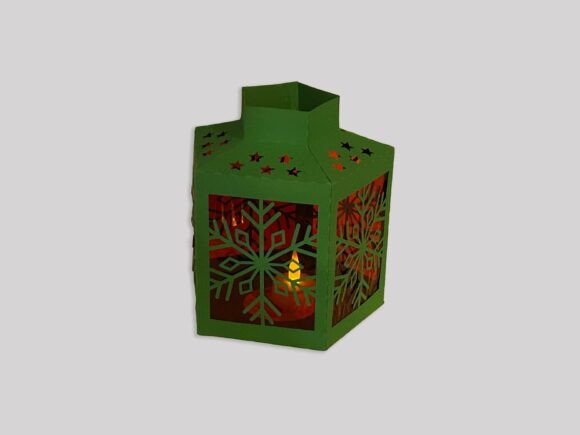
The visual personality of this design is delicate and architectural. It does not shout; it whispers. The snowflake motifs are arranged in a way that creates depth, mimicking the layered effect of a physical lantern. For an embroidery project, this translates to a need for precision. The mood is distinctly seasonal, making it an ideal candidate for holiday embroidery projects that aim for sophistication rather than cartoonish cheer. When I visualize this on a product, I see it fitting best on items that allow the design to breathe, such as a crisp cotton tote or a structured pillow cover, rather than cramped onto a small pocket.
Real-World Application: The Custom Tote Scenario
To test the viability of this design, I imagined a real-life scenario: creating a limited run of reusable shopping bags for a local boutique’s winter gift collection. The goal was a handmade product that felt premium and thoughtful. Using the 3D Snowflake Lantern Cut File as inspiration for a stitched interpretation, I considered how the negative space in the original SVG would translate to fill stitch and satin stitch boundaries. On a canvas tote bag design, the contrast between the white thread and the natural fabric could highlight the geometric precision. However, because the original file is a cut file, one must manually convert these lines into a viable machine embroidery design. This means deciding where to use running stitch for outlines and where to apply dense fills to create the illusion of the lantern’s structure.
Performance on Different Garments and Fabrics
The versatility of this motif depends heavily on the substrate. For sweatshirt embroidery, the plush texture of fleece can obscure fine details. If you attempt to stitch this on a heavy hoodie, you must simplify the inner snowflake details to prevent the threads from merging into a blob. Conversely, on smooth fabrics like poplin or high-quality cotton used in custom apparel, the design shines. I would caution against using this on stretchy knits unless you are an experienced digitizer who knows how to compensate for pull. The structural integrity of the lantern shape relies on stable edges, which stretch fabrics rarely provide without heavy intervention.
For baby embroidery items, such as a muslin swaddle or a onesie, the design needs significant scaling down and simplification. The delicate points of the snowflakes could become scratchy or prone to snagging if the stitch density is too high. In this context, less is more. A simplified version of the lantern outline might serve better as a subtle accent rather than a full-scale reproduction.
Technical Challenges and Designer Notes
Working with a design derived from a 3D SVG requires careful digitizing. Here are my practical notes for anyone attempting to bring this concept to life:
- Check Stitch Density: The original paper design has many overlapping layers. In embroidery, overlapping fills create bulk. You must reduce density in overlapping areas to prevent needle breaks and fabric puckering.
- Stabilizer Selection: Given the geometric nature of the snowflakes, a cut-away stabilizer is likely necessary for garments that will be washed frequently. For home decor items like pillow covers, a heavy tear-away might suffice, but test it first.
- Thread Color Contrast: This design relies on silhouette. Use high-contrast thread colors to make the lantern shape pop. A monochromatic look can work, but only if the texture difference between the fill and the background fabric is distinct.
- Hoop Size Considerations: Ensure your hoop size accommodates the full width of the lantern. Cramping the design into a small hoop can distort the proportions, making the snowflakes look uneven.
Where to Use Caution
Not every surface is suitable for this level of detail. Avoid placing this design on curved surfaces like caps unless you have a specialized cap frame and have tested the distortion. The straight lines of the lantern structure can warp easily on curved seams. Additionally, be wary of using this on dark fabrics if you plan to use light thread, as the underlying fabric color may show through sparse stitching areas. Always run a test stitch on scrap fabric of the same type to check for registration issues.
Commercial Value and Brand Consistency
For Etsy sellers and small shop product creators, the perceived value of a design like this lies in its execution. A well-stitched lantern motif can elevate a simple item into a personalized gift that commands a higher price point. It signals professionalism and attention to detail. However, consistency is key. If you are building a brand around winter décor, ensure that the stitch quality of this design matches your other offerings. Poorly digitized elements can undermine customer trust.
When creating printable mockup images for your online store, remember that the digital preview may look sharper than the stitched result. Be honest in your product photos. Show the texture of the thread. Buyers appreciate transparency, and it reduces return rates. This design, when executed well, becomes a strong asset in your portfolio of design assets, appealing to customers looking for unique, non-generic holiday decor.
Final Verdict for Craft Entrepreneurs
The 3D Snowflake Lantern Cut File is not a plug-and-play solution for embroidery, but it is an excellent source of inspiration for a high-end embroidery project. It challenges the designer to think about layering, negative space, and structural integrity. For those willing to put in the digitizing work or who purchase a properly converted digital embroidery file, the result can be stunning. It fits seamlessly into the niche of sophisticated commercial embroidery, offering a fresh take on traditional winter motifs. Just remember to respect the limitations of the machine and the fabric. Test, adjust, and refine. The difference between a good product and a great one often lies in those small, practical adjustments.
Before selling any finished product based on this design, always confirm the licensing terms. Whether you are creating an embroidered patch or a large wall hanging, knowing your rights ensures your craft business remains protected. Ultimately, this design rewards patience and precision, making it a worthwhile addition to your winter collection if approached with a designer’s eye.